
If you’re struggling with hair thinning, receding hairlines, or hair loss from aging or stress, hair exosome therapy might be an option for you. It’s a non-surgical, cutting-edge treatment that works at the cellular level to repair damaged follicles, reduce inflammation, and stimulate new growth.
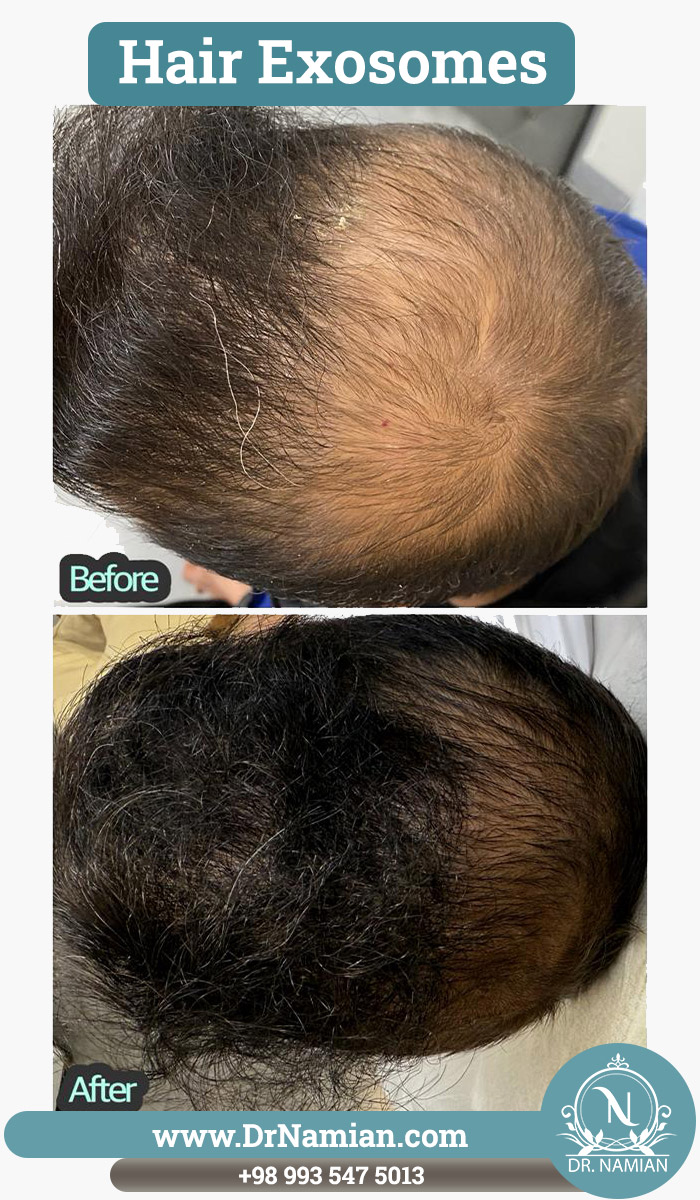
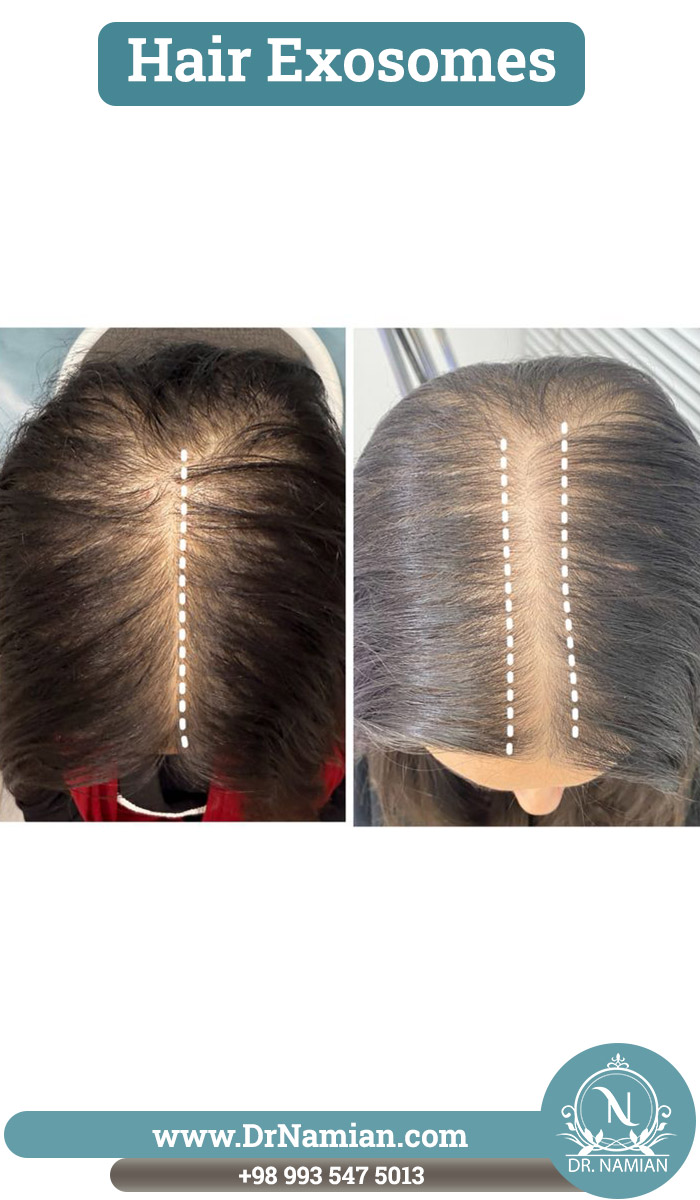
This therapy is designed for adults experiencing early to moderate hair loss who want a natural, long-lasting solution without going under the knife.

In this article, we will explore what hair exosomes are, how they work, the different types available, who can benefit the most, what to expect during treatment, and how it compares to other options like PRP or hair mesotherapy.
What is Hair Exosome and How Does It Work?
Hair exosome therapy is one of the newest and most advanced ways to treat hair loss without surgery. Exosomes are tiny natural messengers taken from stem cells that tell your scalp cells to start repairing and growing again.
When these microscopic vesicles are applied to your scalp, they release growth factors, proteins, and genetic material that help repair damaged follicles, reduce inflammation, and activate those that have stopped producing hair.
This process encourages your own hair to grow stronger and thicker over time. Exosomes also improve blood flow in your scalp, which nourishes the hair roots and supports healthier growth.
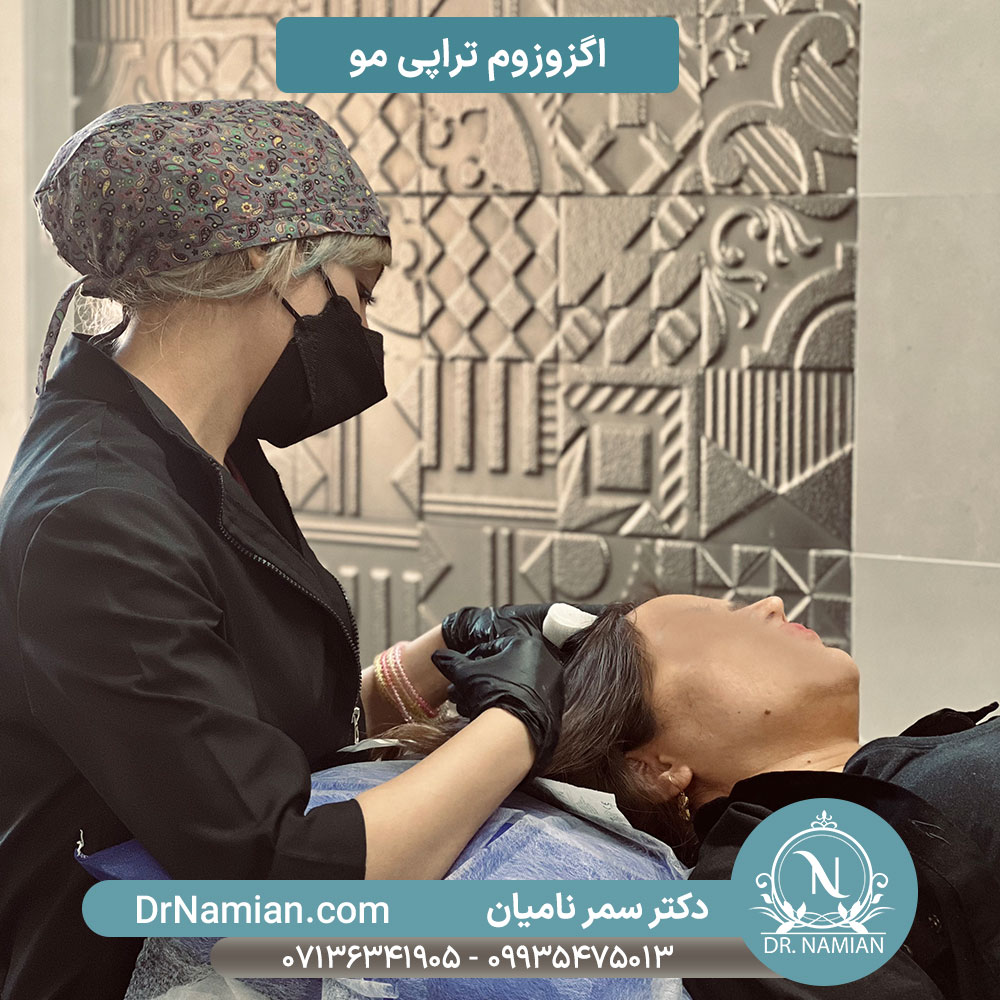
The treatment is completely non-toxic, and because it works on a cellular level, it focuses on restoring your natural hair cycle rather than just covering up hair loss.
Hair Exosome Benefits in Shiraz
Hair exosome therapy can help your scalp skin and hair in several ways. It can:
- Stimulate dormant hair follicles to encourage new growth.
- Increase hair density and promotes thicker, healthier strands.
- Improve scalp health by reducing inflammation and irritation.
- Boost cellular repair and regeneration in hair follicles.
- Support other treatments like PRP therapy or hair transplants.
- Offer anti-aging effects by revitalizing hair and scalp over time.
Hair Exosome Sources
Let’s look at the main types of hair exosomes and what they can do for your hair:
Mesenchymal Stem Cell-Derived Exosomes
MSC exosomes come from special stem cells in your body. They send growth signals to your scalp, reduce inflammation, and repair damaged follicles.
They can increase hair density and thickness while strengthening existing hair. You receive them through injections or microneedling, which helps the active ingredients reach deep into your scalp.
Placenta-Derived MSC Exosomes
Placental exosomes are taken from the placenta and have strong regenerative power. They can boost hair density, thickness, and reduce shedding in androgenetic alopecia.
They’ve also helped patients with chemotherapy-related hair loss. Treatment involves injections over several sessions spaced weeks apart.
Side effects are mild, like temporary redness or tenderness, and they’re also one of the strongest options for stimulating hair growth.
Foreskin-Derived MSC Exosomes
Foreskin-derived exosomes are another effective source for hair regrowth. The treatment uses small injections with the nap page technique to evenly cover the scalp.
Studies in men with androgenetic alopecia also show increased hair density within weeks.
Adipose-Derived MSC Exosomes
Exosomes from fat tissue contain growth factors that thicken hair and improve density. They’re usually combined with microneedling to help absorption.
Research shows significant hair improvement, and patients are satisfied with the results. Adipose-derived exosomes are safe, effective, and support scalp health, making them a popular choice.
Hair Follicle-Derived MSC Exosomes
Exosomes from your own hair follicles target thinning areas directly. They activate dormant follicles and strengthen existing hair.
Studies show men and women experience meaningful density increases. Mild itching, redness, or tingling can happen but are temporary.
Using material from your follicles makes the treatment feel natural, and many patients see better scalp coverage over time.
Bone Marrow-Derived MSC Exosomes
Bone marrow exosomes come from stem cells in the marrow. They improve follicle health and stimulate blood flow to the scalp. Many patients see density increases within months.
Treatments may include microneedling or low-level laser therapy. Side effects are minor, such as temporary swelling or redness. This type is reliable for consistent hair regrowth in both men and women.
Umbilical Cord-Derived MSC Exosomes
Exosomes from umbilical cord stem cells are potent and improve hair density and thickness. They’re given in single or a few sessions and are well tolerated. Rich in growth factors, they work well for significant thinning.
Side effects are minimal, and results usually appear within a few months, making them a convenient, effective option.
Plant Extract-Derived Exosomes
Plant-derived exosomes, from sources like Ecklonia cava or Thuja orientalis, stimulate hair follicles naturally. Studies show slight increases in growth and perceived density.
Mild scalp irritation may occur but usually resolves quickly. This gentle, natural option is ideal for those who prefer non-animal sources or want minimal intervention.
Hair Exosome Candidates
Good candidates for hair exosome therapy usually include those who:
- Have early to moderate hair thinning or a receding hairline.
- Did not see results from other non-surgical treatments.
- Are seeking a non-invasive alternative to hair transplant surgery.
- Are in good overall health without active medical conditions.
- Have realistic expectations about gradual results over months.
- Have certain types of alopecia, including alopecia aerate or postpartum hair loss.
- Are not pregnant, breastfeeding, or pediatric patients.
Who Should Avoid Hair Exosome Treatment?
- Severe hair loss or complete baldness.
- Active scalp infections or inflammation.
- Autoimmune or blood-related conditions.
- Pregnancy or breastfeeding.
- High expectations for immediate results.
- Children, due to unestablished safety.
- Unregulated products or unsafe clinics.
Why Can’t You Get Hair Exosome Treatment While Pregnant or Breastfeeding?
Because there isn’t enough clinical data to confirm how exosomes interact with hormonal changes during this time. Once your hormone levels stabilize, exosome therapy can be a great option to help restore your hair’s strength and volume safely.
Before Your Hair Exosome Appointment
Before your hair exosome treatment, just like hair mesotherapy, you’ll have a consultation where your doctor examines your scalp and talks with you about your hair loss history, lifestyle, and expectations.
This meeting helps decide if exosome therapy is the right option for you or if it should be combined with other treatments. You can also ask questions about safety, recovery, and cost.
Hair Exosome Pre-Treatment Tips
Before your hair exosome session, you can prepare effectively by:
- Avoiding blood thinners like aspirin, ibuprofen, and supplements that increase bleeding.
- Limiting alcohol and refraining from smoking for a few days before treatment.
- Skipping harsh hair treatments such as dyeing, bleaching, or chemical styling.
- Staying hydrated and drinking plenty of water in the days leading up to your session.
- Arriving with a clean scalp free of oils, gels, or styling products.
- Consulting your doctor about medications or supplements you are taking.
- Wearing a hat after the procedure to protect your scalp from sun exposure.
During the Hair Exosome Procedure
During the session, you’ll sit or lie comfortably while the doctor prepares your scalp for treatment. The process starts with cleansing the area and applying a numbing cream to minimize any discomfort.
The exosome solution is then delivered into your scalp through tiny injections or microneedling. These microchannels allow the exosomes to penetrate deeper, where they can start interacting with your hair follicles right away.
Some clinics use devices like ultrasound or air-pressure injectors to help the exosomes spread evenly across the scalp. The goal is to target weak or dormant follicles and reactivate their natural growth cycle.
Once the session is complete, your scalp may look slightly red or feel warm, but this fades quickly.
Does Hair Exosome Injection Hurt?
Most people describe the exosome procedure as mild and very tolerable. You might feel a slight pressure, tingling, or warmth during the injections, but it’s usually quick and manageable.
How Long Does a Hair Exosome Procedure Take?
Mostly, the entire session takes about 30 to 60 minutes depending on the size of the treatment area and the technique used.
After Your Hair Exosome: Follow-Up & Care
After your hair exosome treatment, a follow-up visit is usually scheduled to check your progress and see how your scalp is responding.
During this session, your doctor will examine the treated area, compare photos, and discuss any changes you’ve noticed, such as less shedding or early new growth.
Your specialist might adjust your care plan, suggest supportive products, or plan your next session if needed.
Hair Exosome Aftercare Tips
After your session, follow these steps to maximize results:
- Avoid washing or wetting your hair for at least 24 to 48 hours.
- Refrain from intense workouts, sweating, or physical activity for two days.
- Stay away from heat, saunas, hot tubs, or excessive sun exposure.
- Do not touch, scratch, or rub your scalp to allow exosomes to absorb.
- Limit alcohol, caffeine, and smoking for the first 24 hours.
- Use gentle, sulfate-free shampoos once you resume washing your hair.
- Attend follow-up appointments to monitor progress and maintain results.
When Will You See Results from Hair Exosome Therapy?
You’ll likely start to see early signs of new growth after 2 to 3 months, but fuller improvement usually appears around 6 to 12 months as your follicles continue to repair.
Is Exosome Hair Therapy Permanent?
No. Exosome hair therapy does not provide a permanent solution for hair loss. Its effects usually last between 6 and 12 months. After that period, you may need another session to maintain the results.
“Incorporating exosome treatment in combination regimens may further improve the clinical outcome.”
Hair Exosome Side Effects
Some minor and rare side effects can occur with hair exosome therapy including:
- Redness, swelling, or mild tenderness at the injection sites.
- Minor bruising or temporary soreness in treated areas.
- Temporary hair shedding followed by regrowth in some patients.
- Rare infection at the injection site due to poor technique or contamination.
- Potential allergic reactions, especially to animal-derived exosomes.
- Unregulated products may carry risks of contamination or inconsistent quality.
- Limited long-term safety data due to the experimental nature of this therapy.
Can you do laser hair removal after hair exosome therapy?
It is generally advised to allow your scalp enough time to heal, so you can reduce the risk of irritation or side effects. Still, it’s important to consult a qualified laser hair removal specialist in Shiraz before starting any treatment.
Comparison of PRP and Exosome Treatments for Hair Loss
Platelet-Rich Plasma (PRP) is a hair restoration treatment that uses your own blood to stimulate hair growth, improve follicle health, and increase hair density through multiple injections into the scalp.
You can see how PRP and Exosomes compare for hair loss in the table below:
| Feature | PRP (Platelet-Rich Plasma) | Exosomes |
|---|---|---|
| Number of Sessions | 5-6 sessions | 2-3 sessions |
| Treatment Duration | 6-16 months | 1-2 years |
| Condition Score Improvement | Increase of 1-4 points | Significant improvement after one session |
| Procedure Type | Blood-derived plasma injections | Extracellular vesicle injections |
| Frequency | Multiple sessions needed | Single session effective |
| Convenience | Longer treatment period, multiple visits | Minimal intervention, fewer visits |
| Overall Outcome | Positive, gradual improvement | Significant, rapid improvement |
| Recommended For | Patients preferring tried-and-tested regenerative therapy | Patients seeking minimal intervention and fast results |
Stem Cells vs. Exosomes
Mesotherapy delivers vitamins, minerals, and amino acids directly to your scalp to nourish follicles and improve circulation. Exosome therapy, on the other hand, uses tiny messengers from stem cells to “talk” to your hair cells, activating repair and growth from deep within.
Find the complete comparison in the table below:
| Feature | Exosome Therapy | Traditional Mesotherapy |
|---|---|---|
| Target issues | Hair thinning, damaged follicles, hair loss from aging or trauma | Mild thinning, early-stage hair loss, dull or brittle hair |
| Depth of effect | Works at the cellular level, stimulating follicle activity and hair growth cycles | Works superficially, improving scalp health and providing nutrients |
| Speed of results | Noticeable improvement within 4–6 weeks, long-term benefits continue for months | Effects may appear within 2-3 weeks, but maintenance sessions are needed frequently |
| Number of sessions | 2-3 sessions, spaced 4-6 weeks apart | 4-6 sessions, spaced 2-3 weeks apart |
| Pain / downtime | Minimal, slight redness possible | Mild, may have small bumps or bruising at injection sites |
| Best for | Advanced hair thinning, slow-growing follicles, long-term hair restoration | Early thinning, hair nourishment, quick scalp boost |
Why Shiraz Is the Perfect Destination for Hair Exosome in Iran?
If you’re looking for a mix of advanced beauty care and cultural travel in Iran, Shiraz is an ideal destination for hair exosome therapy. Skilled professionals at the best hair exosome therapy clinics in Shiraz use the latest regenerative techniques to naturally boost hair growth and scalp health.
Dr. Namian, an expert in hair restoration and regenerative medicine, combines precision, innovation, and safety to deliver outstanding results. Choosing Shiraz means turning your hair treatment into a memorable medical tourism experience in one of Iran’s most beautiful cities.
Hair Exosome Therapy at Dr. Namian’s clinic in Shiraz
At Dr. Namian’s cosmetic office, hair exosome therapy is customized for each patient to repair damaged follicles and stimulate healthy regrowth. She provides personalized, expert medical aesthetics services in Shiraz, ensuring every treatment is done safely and effectively for natural, visible results.
Contact us to book your hair exosome therapy session at Dr. Namian’s Shiraz clinic and start your journey toward stronger, fuller hair.
References
- How does exosome therapy for hair restoration works?
- Exosome Treatment For Hair Loss
- Exosomes and Hair Regeneration: A Systematic Review of Clinical Evidence and the Road Ahead
- Exosomes derived from human adipose-derived stem cells promote hair regeneration
- Exploring the efficacy of exosome therapy for hair loss: A comprehensive review
- Exosome Therapy for Hair Loss: A Miracle Cure?
- Gains in Hair Loss Treatments
- All About Exosomal Hair Restoration
- Exosomes For Hair Loss
- Compare the Efficacy of PRP Intervention vs Exosomes for Hair Loss: a Case Series Study
- Exosomes for Hair Loss
- Pre & Post Care: Exosomes

Leave a Reply