
Exosome therapy is an innovative approach that uses microscopic cell signals to encourage your body’s own repair processes. It can help people looking to restore youthful skin, reduce visible aging, and strengthen thinning hair without surgery.
In this article, you’ll discover what exosomes are, where they come from, how they can improve skin texture and hair growth, and what you should know about safety and results before deciding on treatment.
How Exosome Therapy Works for Skin and Hair?
Exosome therapy is a modern, natural way to help your skin and hair recover and look healthier. You get tiny messengers from stem cells, skin cells, or hair follicle cells that carry proteins and growth signals directly to your tissues.
You can expect smoother skin, a firmer structure, and some reduction in fine lines or spots, while your scalp may see improved hair density and less shedding.
To support these results, you can pair treatments with antioxidants or omega-3s, which help your skin heal and stay calm after therapy.
What Are Exosomes?
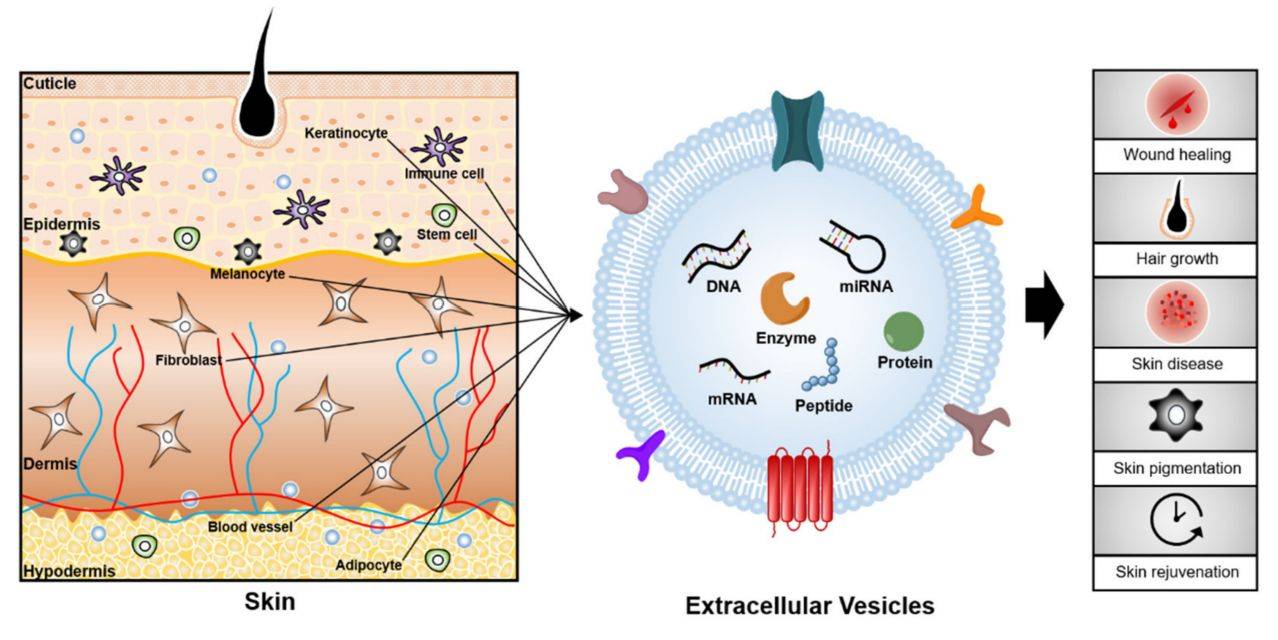
Exosomes are tiny bubbles released by cells that carry proteins, lipids, and genetic material. You can think of them as little messengers that tell your cells what to do.
When they reach your skin, they encourage regeneration, repair damage, and boost collagen and elastin production. This helps your skin look smoother, tighter, and younger.
Exosomes Benefits in Shiraz
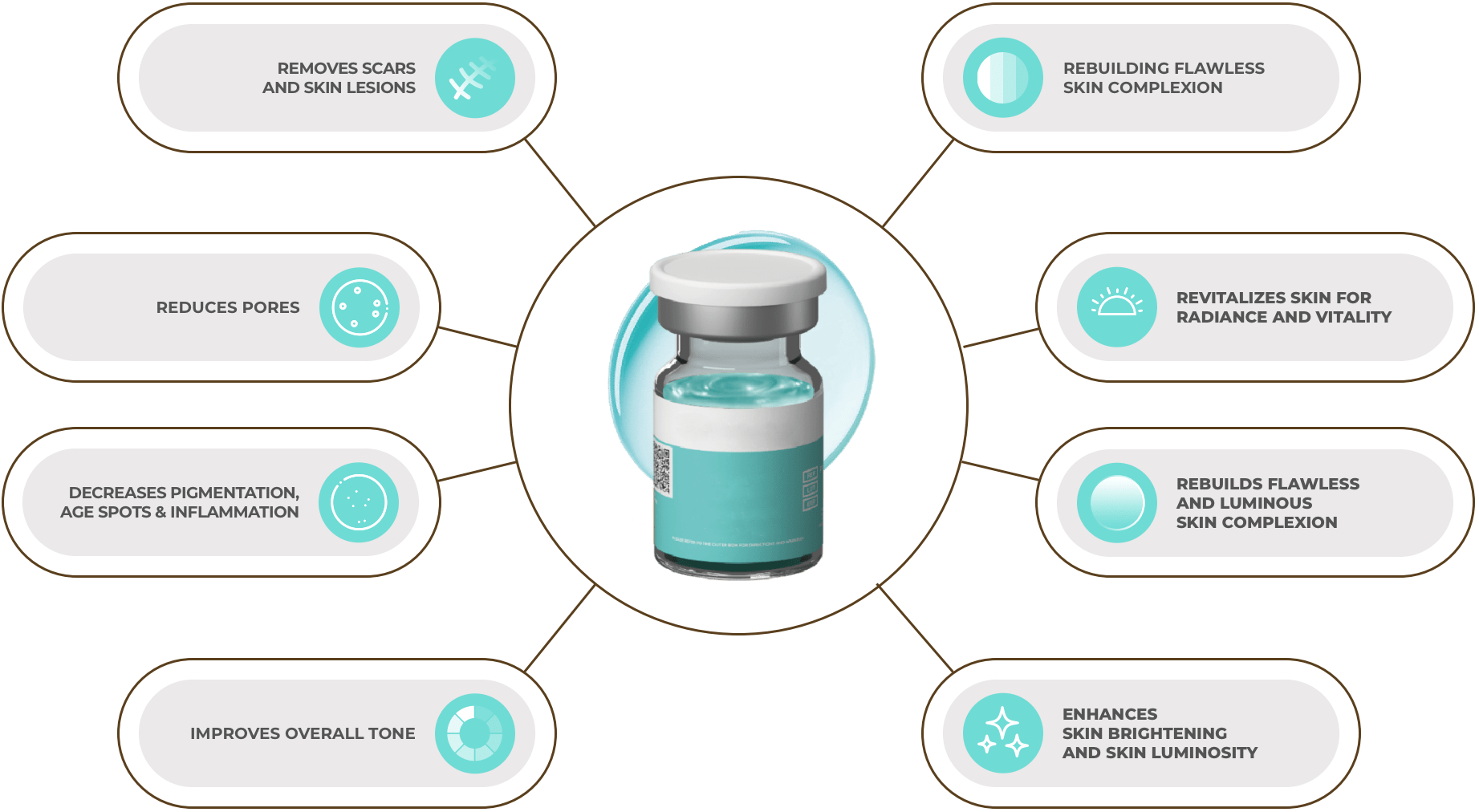
Exosome therapy can improve your skin and hair in several ways, including:
- Promoting tissue repair and regeneration to heal damaged areas.
- Boosting collagen and elastin production for firmer, smoother skin.
- Reducing inflammation and supporting immune function for healthier skin and scalp.
- Stimulating dormant hair follicles to encourage hair growth and increase density.
- Providing a minimally invasive option with natural, long-lasting results.
Sources of Exosomes
Depending on your treatment goals, different types of exosomes can be used. In the table below, you can find the main sources of exosomes used in modern skin and hair exosomes treatments along with their key properties:
| Category | Source | Key Characteristics | Main Applications |
|---|---|---|---|
| Human / Animal-Derived Sources | Adipose Tissue (Fat) | Derived from adipose-derived stem cells (ADSCs); rich in growth factors and anti-inflammatory molecules | Improves wound healing, reduces inflammation, and enhances skin regeneration |
| Umbilical Cord / Wharton’s Jelly | Contains high levels of biologically active molecules and regenerative cytokines | Promotes deep tissue repair, anti-aging effects, and improves skin elasticity | |
| Placenta | Abundant in bioactive compounds that stimulate growth and repair | Increases hair density and thickness, supports scalp health, and improves overall skin tone | |
| Bone Marrow | Source of exosomes that boost collagen production and cell communication | Stimulates collagen synthesis, rejuvenates skin, and supports hair growth | |
| Platelets | Contain natural healing and regenerative signals from platelet-derived exosomes | Accelerates post-procedure recovery (after microneedling, laser, etc.), reduces downtime | |
| Dermal Papilla (DP) Cells & Hair Follicles | Directly linked to the hair growth cycle and follicle regeneration | Stimulates new hair growth, strengthens follicles, and reduces hair thinning | |
| Plant-Derived Sources (Phyto-Exosomes) | Ginseng | Contains natural growth-promoting compounds and antioxidants | Boosts circulation, revitalizes scalp, and enhances skin energy |
| Ginger | Rich in anti-inflammatory and regenerative agents | Improves scalp health and supports natural hair regrowth | |
| Green Tea Leaves | Packed with polyphenols and antioxidants | Protects against free radicals and supports healthy skin texture | |
| Cica (Centella Asiatica) | Known for calming and healing effects | Reduces redness, boosts collagen, and strengthens skin barrier | |
| Fruits & Vegetables (e.g., grapes, apples, broccoli, tomatoes) | Contain bioactive compounds and plant-based vesicles | Support antioxidant protection and improve overall skin vitality | |
| Roses & Algae | Natural hydrating and anti-aging components | Soothe the skin, enhance hydration, and improve glow and texture |
Exosomes Extraction Techniques
As mentioned earlier, exosomes are not made, they’re carefully extracted from natural sources like stem cells, blood, or plant cells. The process needs precision because the way exosomes are collected affects how well they work on your skin or scalp.
Specialists use advanced lab methods to make sure what you receive is pure, safe, and active.
Below, you can see the main techniques used to extract and prepare high-quality exosomes for aesthetic and regenerative treatments.
- Microfiltration: This method uses ultra-fine filters to separate exosomes from blood or serum. It helps remove impurities and ensures the exosomes stay intact and ready to deliver their full regenerative power.
- Polymer Isolation: Here, special solutions help pull out exosomes from cell cultures. It’s a great option when high concentration and purity are needed, especially for clinical or beauty purposes.
- Ultracentrifugation (additional method): This advanced technique spins samples at very high speeds to collect pure exosomes. It’s often used in research and medical settings where precision matters most.
The best extraction method depends on where the exosomes come from, human, animal, or plant, and what the treatment is for. The goal is always the same: getting clean, potent exosomes that can help your skin heal, glow, and renew naturally.
Applications of Exosomes Therapy
In the sections below, you can explore the main applications and how exosome therapy works to improve your appearance and overall skin and hair health.
Exosome Therapy for Skin Rejuvenation
Exosome therapy for skin rejuvenation helps increase collagen and elastin production, smooth fine lines, and improve overall skin texture. Over time, your skin may feel firmer and more resilient, with reduced redness and a healthier glow.
Exosomes can be combined with microneedling for deeper penetration, enhancing their effects and giving you a refreshed, youthful look.
Exosome Therapy for the Temple Area
Applied topically or with microneedling, exosomes stimulate cellular communication and regeneration in this delicate area.
You may notice improved hair density, thicker strands, and better scalp health after exosome therapy of the temple area. The skin in the temple region also becomes firmer and smoother, while inflammation is reduced.
Exosome Therapy for Scars
Exosomes can be effective for improving the appearance of scars, including surgical marks, acne scars, and stretch marks. Exosome therapy for scars works by promoting tissue regeneration, reducing inflammation, and boosting collagen production.
This helps soften and flatten raised scars while improving skin texture. Exosomes also help regulate the immune response to prevent excessive scar formation and protect skin cells from damage, leading to smoother, healthier skin over time.
Exosome Therapy for Pigmentation
You can use exosome therapy to help fade age spots, sun spots, and post-acne pigmentation. The vesicles stimulate new cell growth, regulate melanin production, and boost collagen and elastin, which can lead to a more even skin tone.
In addition, exosome therapy for pigmentation calms inflammation, reducing redness and irritation that often contribute to pigmentation issues.
Exosome Therapy for Under-Eye Rejuvenation
Exosome therapy for the under-eye area targets fine lines, puffiness, and dark circles. By delivering growth factors and repair signals, it stimulates collagen and elastin production, improves skin elasticity, and promotes lymphatic drainage.
This reduces swelling, restores firmness, and smooths out wrinkles.
Exosome Therapy for Acne
Exosome therapy for acne reduces inflammation, promotes cell regeneration, and encourages collagen and elastin production. This helps repair damaged skin, improve texture, and fade post-inflammatory hyperpigmentation.
Treatments are often combined with microneedling to enhance penetration, and multiple sessions may be required for the best results.
Exosomes for Hair Loss
Exosome therapy for hair like Hair Mesotherapy targets thinning or weak hair by delivering growth factors directly to your follicles. It stimulates dormant follicles to enter the growth phase and encourages longer, healthier growth cycles.
Applied with microneedling or hydro-injection devices, exosomes help your scalp produce thicker, stronger hair naturally.
Why Shiraz Is a Top Choice for Exosome Therapy in Iran?
If you want to combine wellness, beauty, and travel, Shiraz is an excellent spot for exosome therapy. The city has the best top-notch exosome clinics offering advanced skin and hair treatments.
Here, experts, like Dr. Namian can create a plan just for you, using advanced techniques to make your skin smoother, firmer, and your hair healthier, all naturally. You get professional care in a safe environment, and at the same time, you can explore one of Iran’s most charming cities.
Exosomes Candidates
Exosome therapy is most effective for people who are:
- Looking to reduce early signs of aging, fine lines, or wrinkles.
- Hoping to improve skin texture, tone, or hydration.
- Experiencing early to moderate hair thinning or post-partum shedding.
- Seeking a minimally invasive treatment with natural, regenerative benefits.
- Willing to follow aftercare instructions and attend follow-up sessions.
Who Should Avoid Exosomes?
Exosome therapy is not recommended for individuals who are:
- Pregnant, breastfeeding, or have active infections in the treatment area.
- Undergoing treatment for active cancer or with a history of malignancy.
- Diagnosed with autoimmune, connective tissue, or blood clotting disorders.
- Immunocompromised or sensitive to components of the exosome product.
- Recently had dental work or other procedures that may interfere with healing.
Before Your Exosome Therapy Appointment
Your first exosome therapy appointment usually starts with a detailed consultation. This is when you sit down with your specialist and talk about your goals, like lifting, face contouring, or smoothing your face.
You’ll go over your medical history, any allergies, previous treatments, and your skin condition. The doctor may examine your face closely, take photos, and suggest a treatment plan.
Exosomes Pre-Treatment Tips
Before your exosome appointment, you can prepare your skin and body by:
- Avoiding blood thinners and certain supplements to reduce bruising.
- Limiting alcohol and smoking for a couple of days to support healing.
- Minimizing sun exposure and skipping tanning beds to prevent irritation.
- Pausing harsh skin care like retinoids or acids for several days before treatment.
- Staying hydrated and having a meal to ensure comfort during the procedure.
- Arriving with clean skin or hair free of makeup, lotions, or styling products.
During the Exosome Therapy Procedure
During the procedure, your specialist will first clean your skin and apply a numbing cream if needed. Exosomes can be delivered through injections or microneedling, depending on your goals. The tiny vesicles penetrate your skin and start signaling your cells to regenerate.
How Long Does an Exosome Therapy Take?
Most exosome treatments for facial contouring take about 45 to 60 minutes. You might spend some extra time on numbing cream if needed. The actual injection or microneedling process is quick, and you can usually get back to your normal activities the same day.
After Your Exosome Therapy: Follow-Up & Care
After your exosome treatment, your provider will usually schedule follow-up sessions to monitor your progress and ensure the results are developing as planned.
These visits let your specialist check how your skin is responding, track improvements in texture and volume, and decide if additional treatments are needed to reach your goals. You’ll also get guidance on maintaining results at home.
Exosomes Aftercare Tips
After your exosome session, proper care helps your results develop. Don’t forget to:
- Avoid touching, rubbing, or washing the treated area for several hours.
- Use gentle cleansing and avoid harsh scrubbing for a few days.
- Refrain from strenuous activity, hot tubs, or saunas for at least 48 hours.
- Protect your skin from the sun with SPF 30+ and avoid direct exposure.
- Delay makeup and continue gentle skincare until sensitivity decreases.
- Stay hydrated, eat nourishing foods, and manage mild swelling with cold compresses.
- Attend follow-up appointments to track progress and determine if more sessions are needed.
Can You Get Exosomes While Pregnant or Breastfeeding?
No, while exosome therapy is generally safe, there isn’t enough research on how they affect a developing baby or infant. If you’re expecting or nursing, your specialist will likely suggest postponing treatment until after this period to be on the safe side.
How Long Do Exosomes Therapy Results Last?
Exosome therapy results can vary depending on your age, lifestyle, and skin condition. Typically, you may see noticeable improvement for 3 to 6 months after a single session.
Some patients opt for a series of treatments to enhance and extend the effects. The more sessions you complete, the more cumulative the benefits, because your skin keeps building collagen and elastin over time.
Does Exosome Injection Hurt?
You might feel a small prick from the needle or a slight tingling during microneedling, but it’s usually not painful. Your specialist can use numbing cream to make the procedure more comfortable.
Exosomes Side-Effects
Exosome treatments can cause temporary effects, which usually resolve quickly, including:
- Mild redness, swelling, or warmth at the treated area.
- Bruising or minor bleeding from injections or microneedling.
- Temporary itching, irritation, or skin sensitivity.
- Occasional fatigue, mild fever, or headache in rare cases.
- Rare risks from product sourcing, including infection, immune reactions, or delayed complications.
Exosome Therapy and Cancer Risks
Exosome therapy is gaining attention for its potential in skin, hair, and facial sculpting, but when it comes to cancer, you need to be cautious.
These tiny vesicles act as messengers carrying growth signals that tell your cells to grow, repair, and divide. That’s great for skin repair, but theoretically, if these signals reach damaged or pre-cancerous cells, they could encourage tumor growth.
Some studies even show that exosomes from tumors can promote cancer spread, while others suggest exosomes from healthy stem cells may help suppress cancer.
The truth is, there’s no long-term safety data in healthy humans, and exosome products are not FDA-approved for aesthetic use. Their effects depend heavily on the source and quality, and poorly regulated products could increase risk.
Exosome Therapy with Dr. Namian in Shiraz
Planning a visit to Iran? Booking an exosome therapy session in Shiraz lets you care for your skin and hair while exploring the city. Medical aesthetics services in Shiraz focus on delivering natural-looking results, using high-quality exosomes to stimulate your body’s own repair processes.
Each treatment with Dr. Namian is personalized, so your skin texture, facial contours, and hair health are addressed in a way that looks natural and subtle.
Contact us to secure your appointment and start planning a beauty-focused adventure in Shiraz.
References
- The rising star of exosomes in skin care: Mechanisms, delivery and applications
- Exosomes for Skin and Hair: Innovation in Rejuvenation
- Exosomes
- The Power of Exosomes
- Exosomes: from biogenesis and secretion to biological function
- Exosomes in Skincare
- Exosomes
- Are exosomes the secret to younger-looking skin?
- Exosomes: Extraordinary Regenerative in Skin Rejuvenation
- Exosomes as a new frontier of cancer therapy

Leave a Reply