
Facial volume changes do not often affect only one area of the face. There could be an alteration in cheek volume, hollowing of the temple region, or reduction in lip contour. Treatment of only one area without looking at the other parts of the face may not always yield the expected results.
The concept of full-face filler is quite wide in comparison with the filler for one wrinkle or facial feature. This means that the doctor looks at several points of the patient’s face and makes an assessment of where it can be good to increase volume and get better balance of the face.
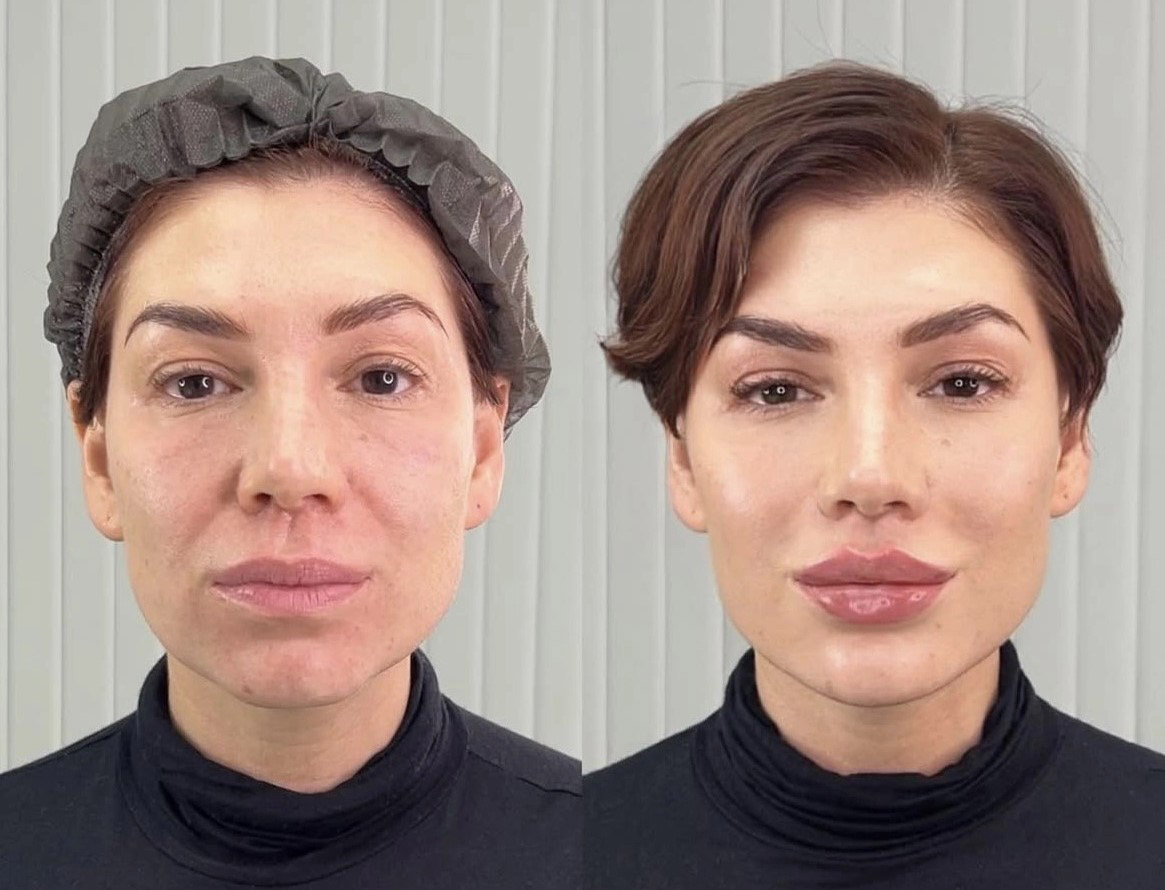
The main characteristic of the full-face filler is that it does not include the application of the filling substance to all parts of the face.

What Is Full Face Filler?
Full face filler is a non-surgical cosmetic procedure in which dermal fillers are injected into some parts of the face to restore volume, improve contours, or soften certain facial lines.
Most often, fillers that contain hyaluronic acid are used. Hyaluronic acid occurs naturally in the body and is capable of attracting water molecules. Fillers differ in their characteristics, and the correct choice of filler should depend on the specific location and outcome sought.
The U.S. Food and Drug Administration defines dermal fillers as gel injections that are put under the skin to achieve a smoother or plumper look. The FDA also treats dermal fillers as medical devices, not regular cosmetic products.
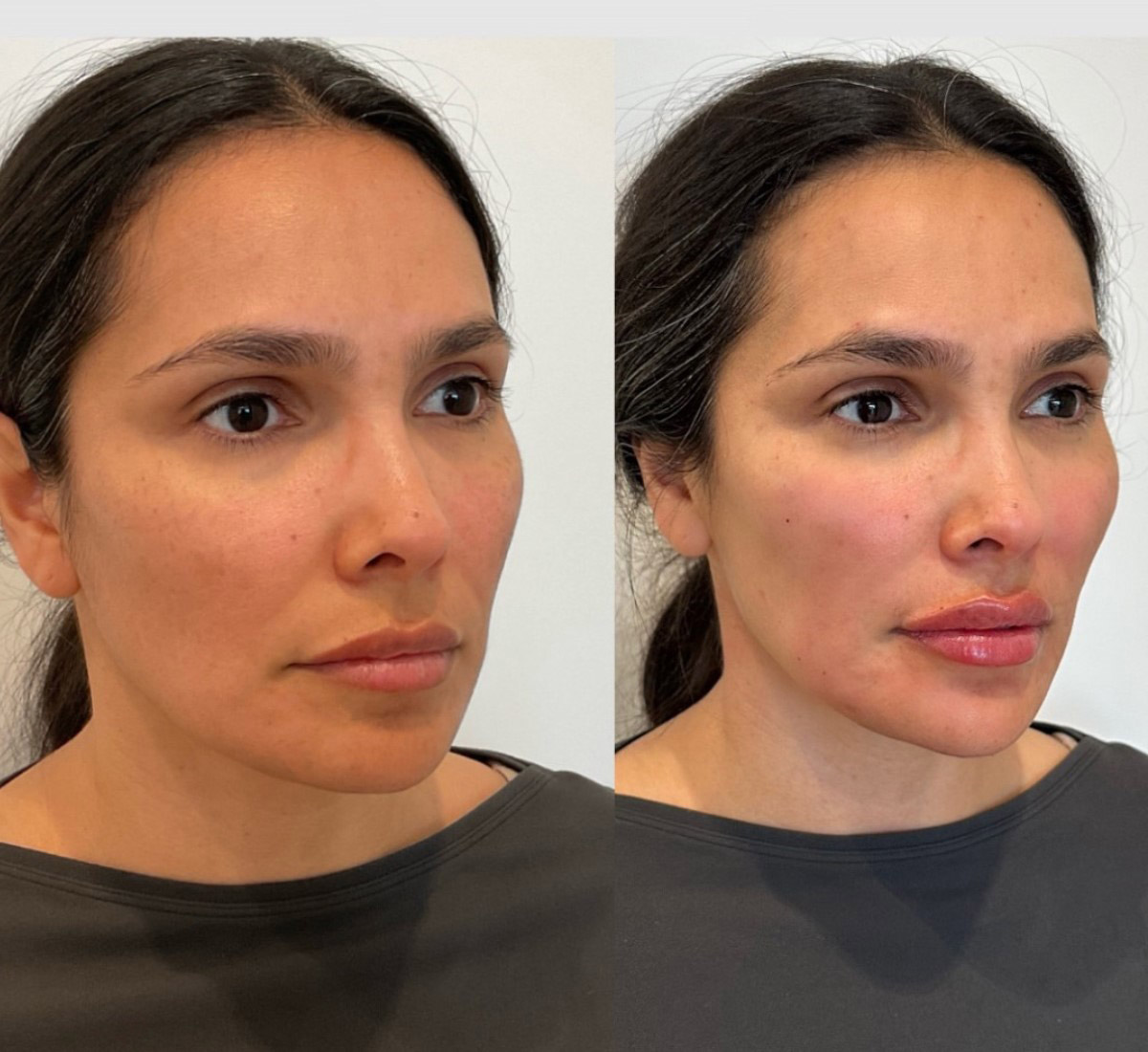
A full-face filler plan therefore starts with an assessment rather than a fixed number of syringes. The practitioner looks at facial proportions, existing volume, skin condition, and the areas that may benefit from treatment.
What Are the Benefits of Full Face Filler?
The advantages of full face filler treatment include restoring lost volume in the face and enhancing some specific contour features. While working on one single feature at a time is not possible in this case, several changes can be taken into account simultaneously.
For example, reduced cheek volume can affect the appearance of the middle and lower face. A chin that sits slightly behind the rest of the facial profile can also change how the lips and nose appear. Adding volume to the appropriate area may improve these relationships without dramatically changing individual features.
Possible benefits include:
- Restoring some of the volume lost with age
- Improving the appearance of shallow facial contours
- Adding definition to selected facial features
- Improving facial proportions
- Softening the appearance of certain facial folds
- Enhancing areas such as the lips, cheeks, or chin
The result depends on the patient’s anatomy, the filler used, the amount injected, and the technique. More filler is not necessarily better, and treating every available area is not a requirement for a full-face treatment plan.
Who Is a Good Candidate for Full Face Filler?
Full face fillers can be useful for adults who have experienced volume loss or those who wish to make minor modifications. While some patients are mainly bothered by flat cheeks or hollow temples, others might require more definition in the chin, lip, or jaw area.
However, the procedure does not suit everyone, and an assessment needs to be done before determining whether the patient is suitable for filler treatment.
Who Should Avoid or Postpone Filler?
People with certain medical conditions, active skin problems, or a history of serious allergic reactions may need to avoid or postpone filler treatment. Pregnancy and breastfeeding also require special consideration because the safety of dermal fillers in these situations has not been established by the FDA.
The FDA recommends informing the healthcare provider about bleeding disorders, severe allergies, previous anaphylaxis, allergies to specific filler ingredients, and any active inflammation or infection at the intended injection site.
A consultation is therefore important before treatment, particularly when several facial areas are being considered.
Which Areas Can Be Treated with Full Face Filler?
The areas included in a full-face filler treatment vary from person to person. A practitioner may recommend treating one region, several regions, or none if filler is unlikely to address the concern. These areas may include the cheeks, lips, chin, jawline, under-eye area, temples, forehead, nose, and smile lines.
Cheeks
The cheeks are one of the most common areas considered during facial volume restoration. Reduced midface volume can make the cheeks look flatter and may change the way the lower face is perceived.
Cheek Fillers in Shiraz may be used to add volume or improve cheek contour. The amount required depends on the existing facial structure and the degree of correction being considered.
Cheek filler should not be confused with simply making the cheeks larger. The position and amount of product can affect the overall facial appearance, which is why the injection plan matters.
Lips
Lip filler can be used to add volume, define the lip border, or address differences between the two sides of the lips.
People considering Lip Fillers in Shiraz may have very different goals. Some want a noticeable increase in volume, while others prefer a small change in shape or definition.
The Russian lip technique is another option that may be discussed during a consultation. Rather than treating lip enlargement as the only goal, this technique focuses on the shape and vertical appearance of the lips.
For people who want less volume and a more subtle result, the term natural lip fillers is often used to describe a treatment where the amount of filler is kept relatively conservative.
Chin
The chin affects the profile and the relationship between the lower face, lips, and nose. A small amount of added projection can sometimes change the appearance of facial proportions.
Chin Filler in Shiraz may be considered for people who want more chin projection or a change in the contour of the lower face.
Chin filler is not suitable for every type of facial imbalance. A practitioner should assess the bone structure and soft tissue before deciding whether filler is likely to help.
Jawline
The jawline can also be included in a full face filler plan when additional definition is appropriate. Depending on the individual’s anatomy, filler may be placed at selected points along the jaw or chin.
Jawline treatment should be planned carefully because the goal is usually to create a clearer transition between the lower face and neck rather than simply adding volume.
Under-Eye Area
The area beneath the eyes is particularly delicate. Hollowing in this region can make the face look tired, but filler is not appropriate for everyone with under-eye concerns.
Under-Eye Fillers in Shiraz should be considered only after an assessment of the tear trough, skin quality, existing swelling, and surrounding anatomy.
It is also important to distinguish between local regulations and FDA indications. The FDA currently lists the periorbital area among sites for which dermal filler injection is not approved in the United States.
Temples
Loss of volume around the temples can create a hollow appearance on the sides of the forehead. In selected patients, adding volume to this area may change the overall contour of the upper face.
Temple Fillers in Shiraz require knowledge of the anatomy in this region because important blood vessels are present around the temples.
Forehead
The forehead is not an area where filler should be approached casually. Although forehead filler is offered in some aesthetic practices, its use has important safety considerations.
Anyone considering Forehead Filler in Shiraz should ask which product is being used, why the area is being treated, and what the practitioner considers the main risks.
The FDA does not approve dermal filler injection into the forehead in the United States.
Nose
Non-surgical nose filler can alter certain contours by adding volume to selected areas. It cannot physically reduce the size of the nose in the way rhinoplasty can.
Nose Fillers in Shiraz require particular caution because the nose has a complex vascular anatomy. Accidental injection into a blood vessel is one of the most serious complications associated with dermal fillers.
For this reason, the decision should be based on a medical assessment rather than on before-and-after photographs alone.
Smile Lines
Smile lines, often called nasolabial folds, run from the sides of the nose toward the corners of the mouth. They can become more visible as facial volume and skin elasticity change.
Smile Line Fillers in Shiraz may be used in selected cases. However, the fold itself is not always the only factor involved. Changes in cheek volume and other areas of the midface may also influence how prominent the fold appears.
Facial Sculpting and Contouring With Filler
Some people are interested in a more general improvement in facial proportions rather than treating a particular wrinkle. In these cases, Facial Sculpting and Contouring in Shiraz may involve several carefully selected injection points.
The idea is not to make every feature more prominent. A practitioner may decide that a small change in the chin is more useful than adding volume to the cheeks, or that treating the cheeks makes another injection unnecessary.
This is one of the main differences between a multi-area filler plan and a collection of unrelated filler injections.
Comparison of the best facial rejuvenation methods
To better understand the value of the full face technique, the following table shows its differences from other methods:
| Feature | Full face filler (liquid lift) | Facelift surgery | Local filler injection (one area) |
|---|---|---|---|
| Aggression and risk | Very little (no anesthesia or incision) | High (requires full anesthesia and surgery) | Very little |
| Recovery period | 1 to 3 days (slight swelling or bruising) | 2 to 4 weeks | Less than 24 hours |
| Naturalness of the result | Very high (complete facial harmony) | Moderate to high (depends on the surgeon) | Medium (risk of asymmetry with other components) |
| Durability | 12 to 24 months | 7 to 10 years | 6 to 12 months |
| Main goal | Restore volume, contouring and gentle lifting | Removing very severe sagging skin | Fix a specific wrinkle or flaw |
How Is a Full Face Filler Treatment Planned?
Before the injections, it is important for the practitioner to examine the patient’s face and determine which areas bother the patient. This includes considerations of facial proportion, existing volume, previous filler therapy, and desired outcome.
There are many different types of fillers that have different properties and indications for use. For example, hyaluronic acid fillers, calcium hydroxylapatite, poly-L-lactic acid, and many others. According to the FDA, the effect of most dermal fillers is temporary due to the fact that the material is slowly absorbed by the body.
In addition, the treatment strategy should include not only the quantity of syringes, but also the choice of the drug and the area that will be treated.
How Much Filler Is Needed for the Full Face?
There is no standard amount of filler that applies to everyone. The amount depends on factors such as facial size, bone structure, skin quality, existing volume, previous filler treatments, and the degree of correction being considered.
One person may need a small amount in the cheeks and chin, while another may have more noticeable volume loss in several areas.
A clinic that presents a fixed number of syringes as the right amount for every patient is simplifying a decision that normally requires an examination.
The same applies to the price. The cost of full-face filler cannot be determined accurately without knowing the product, treatment areas, and amount required.
How Much Does Full Face Filler Cost in Shiraz?
The cost of full face filler in Shiraz, Iran depends on the product, the amount needed, the areas being treated, and the practitioner performing the injections. There is no single price that applies to every patient.
The main factors include:
- The brand and type of filler
- The number of syringes required
- The facial areas being treated
- The experience and qualifications of the injector
- Whether previous filler needs to be assessed or managed
- The number of appointments involved
Prices can also change over time as product and clinic costs change. For that reason, an accurate price should be discussed during a consultation rather than relying on an old online price.
A very low price is also not necessarily a sign of a better deal. Patients should be able to identify the product being used and should have the opportunity to discuss its expected duration and risks with the healthcare provider.
To receive a price for full face fillers in Shiraz, send a message on WhatsApp.
Does Full Face Filler Hurt?
Full face filler may cause some pain while injecting, but it depends on the site of application, method of injection, type of product, and sensitivity of the patient. Most dermal fillers already contain lidocaine which is a local anesthetic that is meant to numb the area for pain relief.
Patients should tell the practitioner about allergies or previous reactions to local anesthetics before treatment.
What Happens After Full Face Filler?
There can be swelling, reddening, tenderness, and even bruising after having filler injections. However, how apparent the side effect is will depend on where the procedure was performed, what the filler is, and who the patient is.
Also, the temporary results can be different from the permanent one due to swelling, which causes an area to become swollen. The American Society of Plastic Surgeons state that recovery time may differ for each patient and the used filler, and advise not to engage in physical activities within the first 24 to 48 hours.
The aftercare tips should depend on the filled areas and on the filler itself. Patients should take into consideration the aftercare advice provided by a doctor and not use the same approach with all types of fillers.
What Should You Do Before and After Full Face Filler?
Before undergoing full face filler treatment, you should inform your doctor of your drug use, supplements, allergies, past filler injections, and any adverse reactions to cosmetics. If there is an infection on the site of injection, the procedure could be postponed.
It is also worth asking which filler will be used and which areas will be treated. This is especially important when several parts of the face are involved.
Injections may lead to the development of mild inflammation, redness, soreness, and even bruising. Avoid putting undue pressure on the injected areas, and refrain from intense exercises for 24-48 hours unless otherwise directed by your physician.
It is natural that swelling may change the way your face looks, and therefore, the initial outcome should not be considered the definitive one. Inflammation, discoloration of the skin, as well as visual impairment, are not considered typical symptoms.
Full Face Filler Treatment: How Long Will It Last?
The duration of full face filler differ from one person to another. The type of filler being used, the injection point, amount used, as well as the metabolism rate will determine how long the results will last.
Filling with hyaluronic acid and other temporary fillers is absorbed by the body gradually. FDA states that the period of fillers will depend on not only the substance used but also the area where it was injected.
This implies that giving the same time period to all patients will be misguiding. Some areas might look like they lose volume faster than others.
What Are the Risks of Full Face Filler?
Full face filler is generally well tolerated when appropriately performed, but dermal fillers are not risk-free. Common reactions include bruising, redness, swelling, pain, tenderness, itching, and rash, while less common complications include infection, nodules, inflammatory reactions, allergic reactions, and tissue damage.
The most serious complication is accidental injection into a blood vessel. The FDA reports that this can lead to tissue death, vision abnormalities including blindness, or stroke. Although the likelihood is low, the consequences can be severe.
The FDA states:
“The most concerning risk associated with the use of dermal fillers is unintentional injection into a blood vessel, leading to blocked blood vessels and poor blood supply to tissues.”
This is one reason filler injections should be treated as a medical procedure and performed by an appropriately trained healthcare professional.
Anyone experiencing unusual severe pain, changes in vision, or changes in skin color near the injection site after treatment should seek immediate medical attention.
How to Choose a Clinic for Dermal Fillers in Shiraz
When comparing clinics for dermal fillers in Shiraz, Iran, the first question should not be the price. The practitioner’s qualifications, experience with dermal fillers, and knowledge of facial anatomy are also important.
Ask about the practitioner’s medical qualifications and experience with dermal fillers. It is also reasonable to ask which product will be injected, where it is intended to be used, and what complications the practitioner is prepared to manage.
The FDA recommends choosing a licensed healthcare provider who has experience with dermal filler injections and understands facial anatomy and the management of complications.
Patients should also be able to discuss previous filler treatments, allergies, medications, and medical conditions before the injection.
Full Face Filler vs. Treating One Facial Area
Not everyone who wants facial filler needs a full-face plan.
If the concern is limited to the lips, for example, treating the lips alone may be enough. Someone concerned about chin projection may only need assessment of the chin and surrounding facial proportions.
A full face filler treatment makes more sense when volume or contour changes involve several connected areas. Even then, the treatment may involve only selected regions rather than the entire face.
The goal should be to address the actual concern with an appropriate amount of product rather than treating more areas simply because they are available.
Final Thoughts
Facial fillers can be applied for volume replacement and specific contouring needs depending on where the problem exists within the face.
The type of filler, how the treatment will be carried out, the location of treatment and dosage are among factors that will influence the success of the process. Since dermal filler is a medical procedure, which may have certain risks involved, one must consider the expertise of the person performing the procedure.
If you are considering treatment in Shiraz, you should consider a consultation to discuss these issues before proceeding with a decision.
To schedule an appointment and consultation for full face fillers in Shiraz, send a message on WhatsApp.





Leave a Reply